
1. [The following information applies to the questions displayed below.]
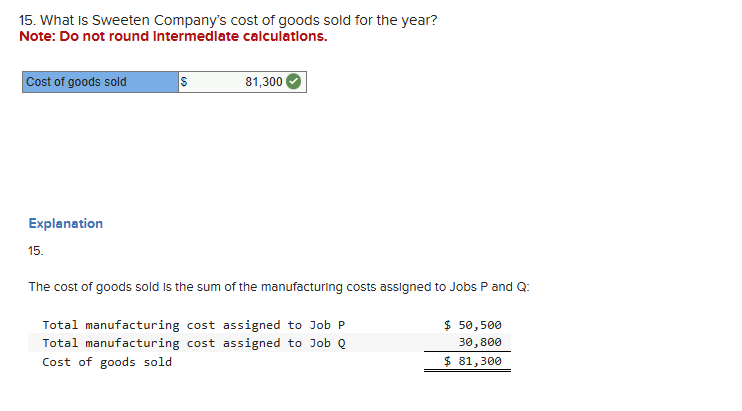
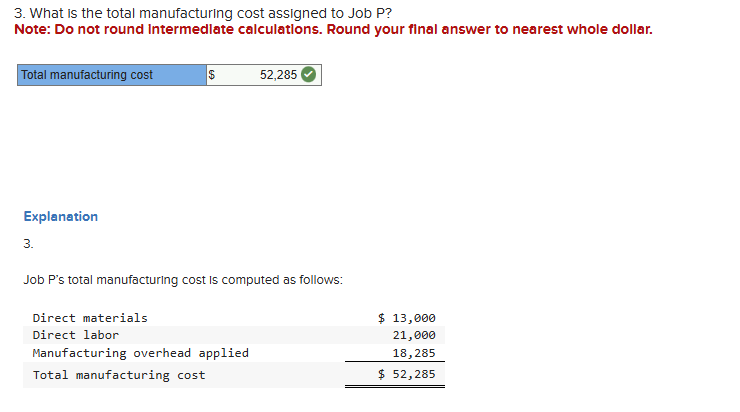
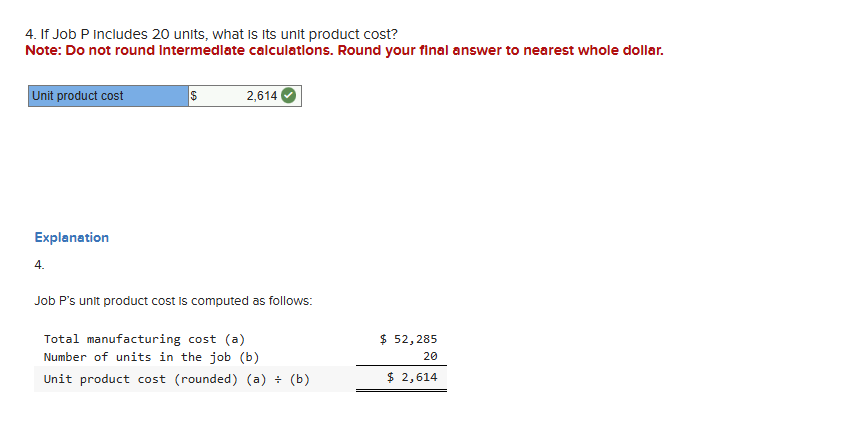
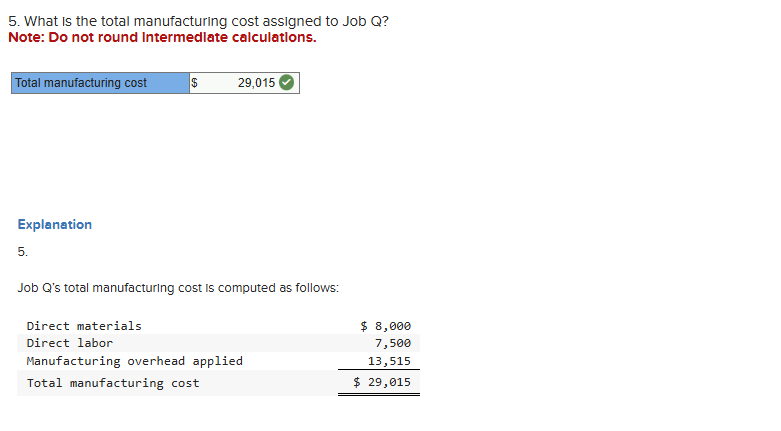
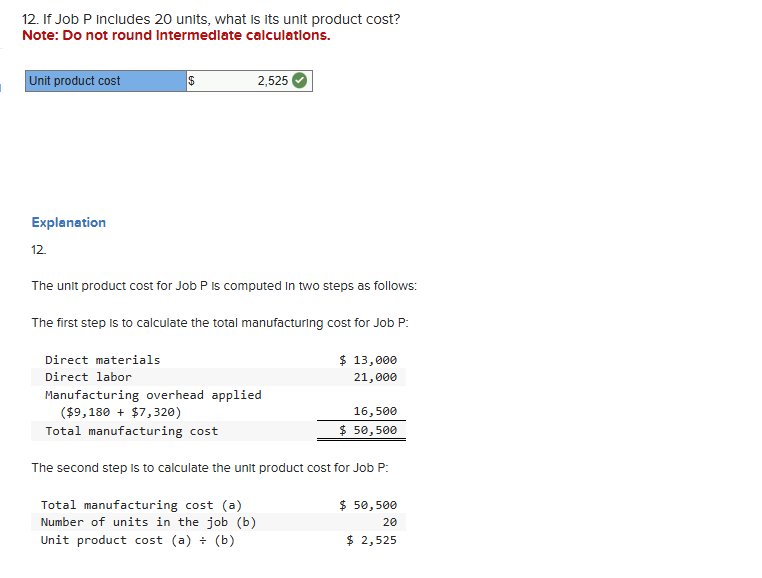
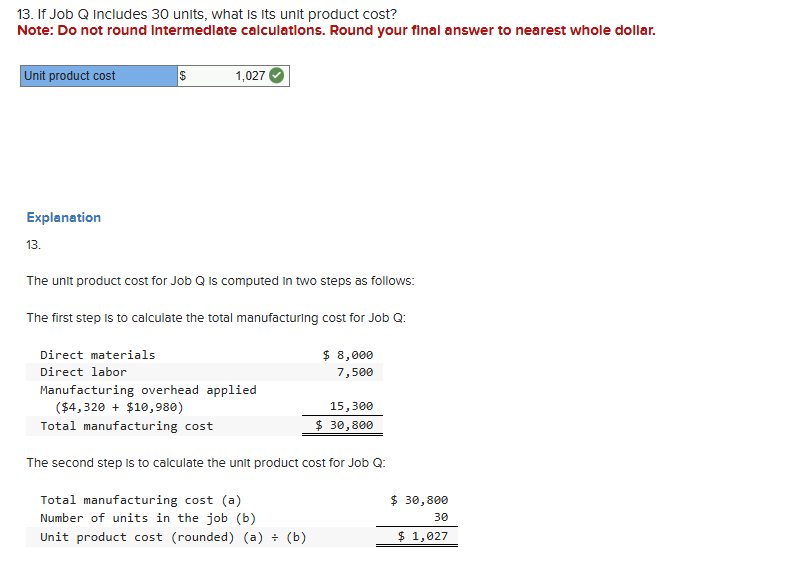
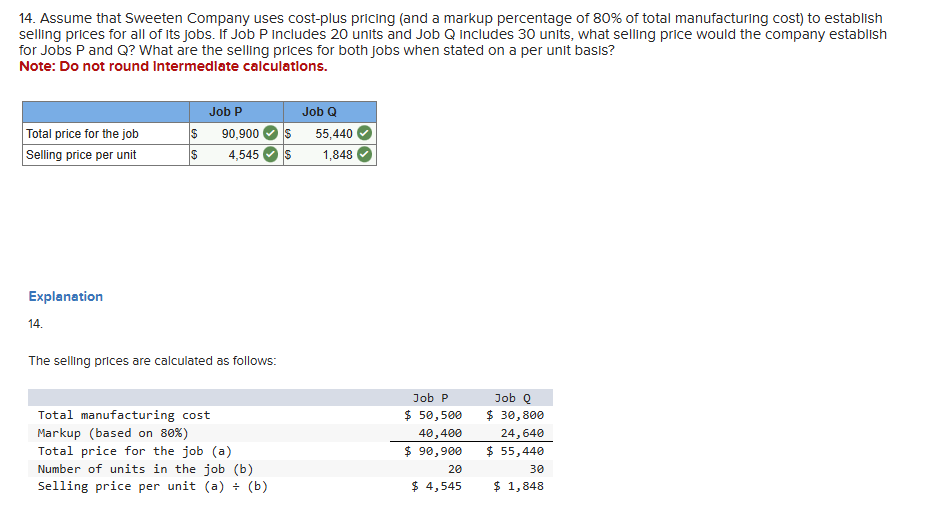
Sweeten Company had no jobs in progress at the beginning of the year and no beginning inventories. It started, completed, and sold only two jobs during the year—Job P and Job Q. The company uses a plantwide predetermined overhead rate based on machine-hours. At the beginning of the year, it estimated that 4,000 machine-hours would be required for the period’s estimated level of production. Sweeten also estimated $25,000 of fixed manufacturing overhead cost for the coming period and variable manufacturing overhead of $1.70 per machine-hour.
Because Sweeten has two manufacturing departments—Molding and Fabrication—it is considering replacing its plantwide overhead rate with departmental rates that would also be based on machine-hours. The company gathered the following additional information to enable calculating departmental overhead rates:
| Molding | Fabrication | Total | |
|---|---|---|---|
| Estimated total machine-hours used | 2,500 | 1,500 | 4,000 |
| Estimated total fixed manufacturing overhead | $ 10,000 | $ 15,000 | $ 25,000 |
| Estimated variable manufacturing overhead per machine-hour | $ 1.40 | $ 2.20 |
The direct materials cost, direct labor cost, and machine-hours used for Jobs P and Q are as follows:
| Job P | Job Q | |
|---|---|---|
| Direct materials | $ 13,000 | $ 8,000 |
| Direct labor cost | $ 21,000 | $ 7,500 |
| Actual machine-hours used: | ||
| Molding | 1,700 | 800 |
| Fabrication | 600 | 900 |
| Total | 2,300 | 1,700 |
Sweeten Company had no overapplied or underapplied manufacturing overhead costs during the year.
Required:
For questions 1-8, assume that Sweeten Company uses a plantwide predetermined overhead rate with machine-hours as the allocation base. For questions, 9-15, assume that the company uses predetermined departmental overhead rates with machine-hours as the allocation base in both departments.

2. [The following information applies to the questions displayed below.]
Sweeten Company had no jobs in progress at the beginning of the year and no beginning inventories. It started, completed, and sold only two jobs during the year—Job P and Job Q. The company uses a plantwide predetermined overhead rate based on machine-hours. At the beginning of the year, it estimated that 4,000 machine-hours would be required for the period’s estimated level of production. Sweeten also estimated $25,000 of fixed manufacturing overhead cost for the coming period and variable manufacturing overhead of $1.70 per machine-hour.
Because Sweeten has two manufacturing departments—Molding and Fabrication—it is considering replacing its plantwide overhead rate with departmental rates that would also be based on machine-hours. The company gathered the following additional information to enable calculating departmental overhead rates:
| Molding | Fabrication | Total | |
|---|---|---|---|
| Estimated total machine-hours used | 2,500 | 1,500 | 4,000 |
| Estimated total fixed manufacturing overhead | $ 10,000 | $ 15,000 | $ 25,000 |
| Estimated variable manufacturing overhead per machine-hour | $ 1.40 | $ 2.20 |
The direct materials cost, direct labor cost, and machine-hours used for Jobs P and Q are as follows:
| Job P | Job Q | |
|---|---|---|
| Direct materials | $ 13,000 | $ 8,000 |
| Direct labor cost | $ 21,000 | $ 7,500 |
| Actual machine-hours used: | ||
| Molding | 1,700 | 800 |
| Fabrication | 600 | 900 |
| Total | 2,300 | 1,700 |
Sweeten Company had no overapplied or underapplied manufacturing overhead costs during the year.
Required:
For questions 1-8, assume that Sweeten Company uses a plantwide predetermined overhead rate with machine-hours as the allocation base. For questions, 9-15, assume that the company uses predetermined departmental overhead rates with machine-hours as the allocation base in both departments.

3. [The following information applies to the questions displayed below.]
Sweeten Company had no jobs in progress at the beginning of the year and no beginning inventories. It started, completed, and sold only two jobs during the year—Job P and Job Q. The company uses a plantwide predetermined overhead rate based on machine-hours. At the beginning of the year, it estimated that 4,000 machine-hours would be required for the period’s estimated level of production. Sweeten also estimated $25,000 of fixed manufacturing overhead cost for the coming period and variable manufacturing overhead of $1.70 per machine-hour.
Because Sweeten has two manufacturing departments—Molding and Fabrication—it is considering replacing its plantwide overhead rate with departmental rates that would also be based on machine-hours. The company gathered the following additional information to enable calculating departmental overhead rates:
| Molding | Fabrication | Total | |
|---|---|---|---|
| Estimated total machine-hours used | 2,500 | 1,500 | 4,000 |
| Estimated total fixed manufacturing overhead | $ 10,000 | $ 15,000 | $ 25,000 |
| Estimated variable manufacturing overhead per machine-hour | $ 1.40 | $ 2.20 |
The direct materials cost, direct labor cost, and machine-hours used for Jobs P and Q are as follows:
| Job P | Job Q | |
|---|---|---|
| Direct materials | $ 13,000 | $ 8,000 |
| Direct labor cost | $ 21,000 | $ 7,500 |
| Actual machine-hours used: | ||
| Molding | 1,700 | 800 |
| Fabrication | 600 | 900 |
| Total | 2,300 | 1,700 |
Sweeten Company had no overapplied or underapplied manufacturing overhead costs during the year.
Required:
For questions 1-8, assume that Sweeten Company uses a plantwide predetermined overhead rate with machine-hours as the allocation base. For questions, 9-15, assume that the company uses predetermined departmental overhead rates with machine-hours as the allocation base in both departments.
4. [The following information applies to the questions displayed below.]
Sweeten Company had no jobs in progress at the beginning of the year and no beginning inventories. It started, completed, and sold only two jobs during the year—Job P and Job Q. The company uses a plantwide predetermined overhead rate based on machine-hours. At the beginning of the year, it estimated that 4,000 machine-hours would be required for the period’s estimated level of production. Sweeten also estimated $25,000 of fixed manufacturing overhead cost for the coming period and variable manufacturing overhead of $1.70 per machine-hour.
Because Sweeten has two manufacturing departments—Molding and Fabrication—it is considering replacing its plantwide overhead rate with departmental rates that would also be based on machine-hours. The company gathered the following additional information to enable calculating departmental overhead rates:
| Molding | Fabrication | Total | |
|---|---|---|---|
| Estimated total machine-hours used | 2,500 | 1,500 | 4,000 |
| Estimated total fixed manufacturing overhead | $ 10,000 | $ 15,000 | $ 25,000 |
| Estimated variable manufacturing overhead per machine-hour | $ 1.40 | $ 2.20 |
The direct materials cost, direct labor cost, and machine-hours used for Jobs P and Q are as follows:
| Job P | Job Q | |
|---|---|---|
| Direct materials | $ 13,000 | $ 8,000 |
| Direct labor cost | $ 21,000 | $ 7,500 |
| Actual machine-hours used: | ||
| Molding | 1,700 | 800 |
| Fabrication | 600 | 900 |
| Total | 2,300 | 1,700 |
Sweeten Company had no overapplied or underapplied manufacturing overhead costs during the year.
Required:
For questions 1-8, assume that Sweeten Company uses a plantwide predetermined overhead rate with machine-hours as the allocation base. For questions, 9-15, assume that the company uses predetermined departmental overhead rates with machine-hours as the allocation base in both departments.
5. [The following information applies to the questions displayed below.]
Sweeten Company had no jobs in progress at the beginning of the year and no beginning inventories. It started, completed, and sold only two jobs during the year—Job P and Job Q. The company uses a plantwide predetermined overhead rate based on machine-hours. At the beginning of the year, it estimated that 4,000 machine-hours would be required for the period’s estimated level of production. Sweeten also estimated $25,000 of fixed manufacturing overhead cost for the coming period and variable manufacturing overhead of $1.70 per machine-hour.
Because Sweeten has two manufacturing departments—Molding and Fabrication—it is considering replacing its plantwide overhead rate with departmental rates that would also be based on machine-hours. The company gathered the following additional information to enable calculating departmental overhead rates:
| Molding | Fabrication | Total | |
|---|---|---|---|
| Estimated total machine-hours used | 2,500 | 1,500 | 4,000 |
| Estimated total fixed manufacturing overhead | $ 10,000 | $ 15,000 | $ 25,000 |
| Estimated variable manufacturing overhead per machine-hour | $ 1.40 | $ 2.20 |
The direct materials cost, direct labor cost, and machine-hours used for Jobs P and Q are as follows:
| Job P | Job Q | |
|---|---|---|
| Direct materials | $ 13,000 | $ 8,000 |
| Direct labor cost | $ 21,000 | $ 7,500 |
| Actual machine-hours used: | ||
| Molding | 1,700 | 800 |
| Fabrication | 600 | 900 |
| Total | 2,300 | 1,700 |
Sweeten Company had no overapplied or underapplied manufacturing overhead costs during the year.
Required:
For questions 1-8, assume that Sweeten Company uses a plantwide predetermined overhead rate with machine-hours as the allocation base. For questions, 9-15, assume that the company uses predetermined departmental overhead rates with machine-hours as the allocation base in both departments.
6. [The following information applies to the questions displayed below.]
Sweeten Company had no jobs in progress at the beginning of the year and no beginning inventories. It started, completed, and sold only two jobs during the year—Job P and Job Q. The company uses a plantwide predetermined overhead rate based on machine-hours. At the beginning of the year, it estimated that 4,000 machine-hours would be required for the period’s estimated level of production. Sweeten also estimated $25,000 of fixed manufacturing overhead cost for the coming period and variable manufacturing overhead of $1.70 per machine-hour.
Because Sweeten has two manufacturing departments—Molding and Fabrication—it is considering replacing its plantwide overhead rate with departmental rates that would also be based on machine-hours. The company gathered the following additional information to enable calculating departmental overhead rates:
| Molding | Fabrication | Total | |
|---|---|---|---|
| Estimated total machine-hours used | 2,500 | 1,500 | 4,000 |
| Estimated total fixed manufacturing overhead | $ 10,000 | $ 15,000 | $ 25,000 |
| Estimated variable manufacturing overhead per machine-hour | $ 1.40 | $ 2.20 |
The direct materials cost, direct labor cost, and machine-hours used for Jobs P and Q are as follows:
| Job P | Job Q | |
|---|---|---|
| Direct materials | $ 13,000 | $ 8,000 |
| Direct labor cost | $ 21,000 | $ 7,500 |
| Actual machine-hours used: | ||
| Molding | 1,700 | 800 |
| Fabrication | 600 | 900 |
| Total | 2,300 | 1,700 |
Sweeten Company had no overapplied or underapplied manufacturing overhead costs during the year.
Required:
For questions 1-8, assume that Sweeten Company uses a plantwide predetermined overhead rate with machine-hours as the allocation base. For questions, 9-15, assume that the company uses predetermined departmental overhead rates with machine-hours as the allocation base in both departments.
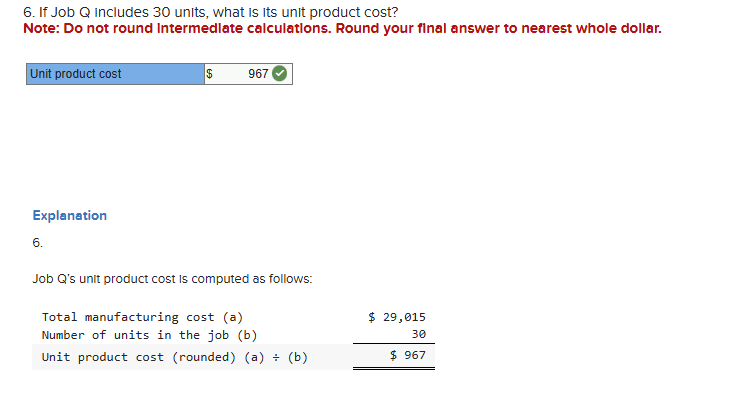
7. [The following information applies to the questions displayed below.]
Sweeten Company had no jobs in progress at the beginning of the year and no beginning inventories. It started, completed, and sold only two jobs during the year—Job P and Job Q. The company uses a plantwide predetermined overhead rate based on machine-hours. At the beginning of the year, it estimated that 4,000 machine-hours would be required for the period’s estimated level of production. Sweeten also estimated $25,000 of fixed manufacturing overhead cost for the coming period and variable manufacturing overhead of $1.70 per machine-hour.
Because Sweeten has two manufacturing departments—Molding and Fabrication—it is considering replacing its plantwide overhead rate with departmental rates that would also be based on machine-hours. The company gathered the following additional information to enable calculating departmental overhead rates:
| Molding | Fabrication | Total | |
|---|---|---|---|
| Estimated total machine-hours used | 2,500 | 1,500 | 4,000 |
| Estimated total fixed manufacturing overhead | $ 10,000 | $ 15,000 | $ 25,000 |
| Estimated variable manufacturing overhead per machine-hour | $ 1.40 | $ 2.20 |
The direct materials cost, direct labor cost, and machine-hours used for Jobs P and Q are as follows:
| Job P | Job Q | |
|---|---|---|
| Direct materials | $ 13,000 | $ 8,000 |
| Direct labor cost | $ 21,000 | $ 7,500 |
| Actual machine-hours used: | ||
| Molding | 1,700 | 800 |
| Fabrication | 600 | 900 |
| Total | 2,300 | 1,700 |
Sweeten Company had no overapplied or underapplied manufacturing overhead costs during the year.
Required:
For questions 1-8, assume that Sweeten Company uses a plantwide predetermined overhead rate with machine-hours as the allocation base. For questions, 9-15, assume that the company uses predetermined departmental overhead rates with machine-hours as the allocation base in both departments.
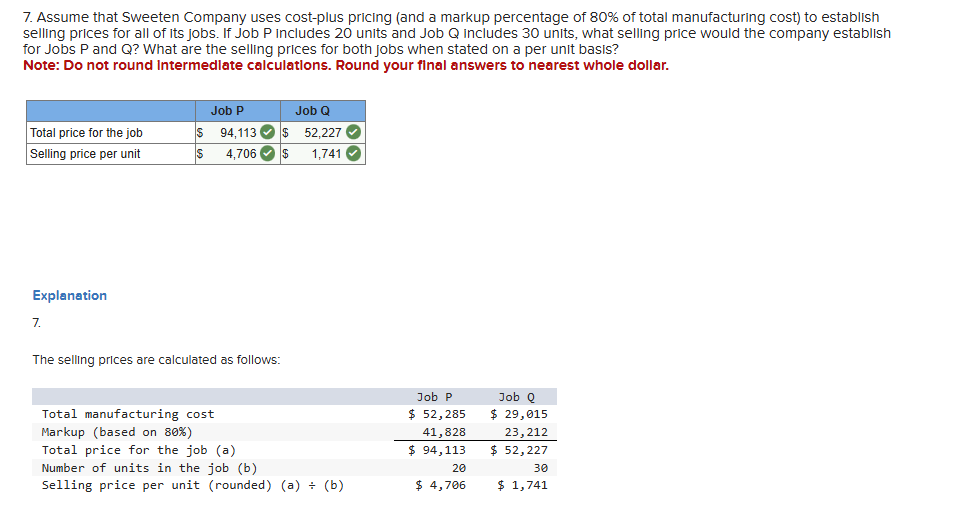
8. [The following information applies to the questions displayed below.]
Sweeten Company had no jobs in progress at the beginning of the year and no beginning inventories. It started, completed, and sold only two jobs during the year—Job P and Job Q. The company uses a plantwide predetermined overhead rate based on machine-hours. At the beginning of the year, it estimated that 4,000 machine-hours would be required for the period’s estimated level of production. Sweeten also estimated $25,000 of fixed manufacturing overhead cost for the coming period and variable manufacturing overhead of $1.70 per machine-hour.
Because Sweeten has two manufacturing departments—Molding and Fabrication—it is considering replacing its plantwide overhead rate with departmental rates that would also be based on machine-hours. The company gathered the following additional information to enable calculating departmental overhead rates:
| Molding | Fabrication | Total | |
|---|---|---|---|
| Estimated total machine-hours used | 2,500 | 1,500 | 4,000 |
| Estimated total fixed manufacturing overhead | $ 10,000 | $ 15,000 | $ 25,000 |
| Estimated variable manufacturing overhead per machine-hour | $ 1.40 | $ 2.20 |
The direct materials cost, direct labor cost, and machine-hours used for Jobs P and Q are as follows:
| Job P | Job Q | |
|---|---|---|
| Direct materials | $ 13,000 | $ 8,000 |
| Direct labor cost | $ 21,000 | $ 7,500 |
| Actual machine-hours used: | ||
| Molding | 1,700 | 800 |
| Fabrication | 600 | 900 |
| Total | 2,300 | 1,700 |
Sweeten Company had no overapplied or underapplied manufacturing overhead costs during the year.
Required:
For questions 1-8, assume that Sweeten Company uses a plantwide predetermined overhead rate with machine-hours as the allocation base. For questions, 9-15, assume that the company uses predetermined departmental overhead rates with machine-hours as the allocation base in both departments.
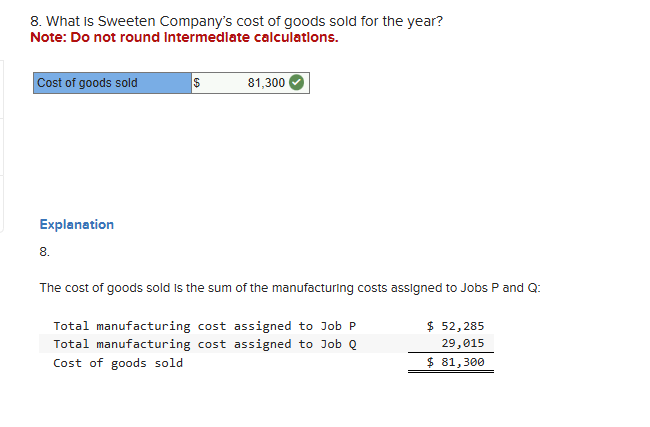
9. [The following information applies to the questions displayed below.]
Sweeten Company had no jobs in progress at the beginning of the year and no beginning inventories. It started, completed, and sold only two jobs during the year—Job P and Job Q. The company uses a plantwide predetermined overhead rate based on machine-hours. At the beginning of the year, it estimated that 4,000 machine-hours would be required for the period’s estimated level of production. Sweeten also estimated $25,000 of fixed manufacturing overhead cost for the coming period and variable manufacturing overhead of $1.70 per machine-hour.
Because Sweeten has two manufacturing departments—Molding and Fabrication—it is considering replacing its plantwide overhead rate with departmental rates that would also be based on machine-hours. The company gathered the following additional information to enable calculating departmental overhead rates:
| Molding | Fabrication | Total | |
|---|---|---|---|
| Estimated total machine-hours used | 2,500 | 1,500 | 4,000 |
| Estimated total fixed manufacturing overhead | $ 10,000 | $ 15,000 | $ 25,000 |
| Estimated variable manufacturing overhead per machine-hour | $ 1.40 | $ 2.20 |
The direct materials cost, direct labor cost, and machine-hours used for Jobs P and Q are as follows:
| Job P | Job Q | |
|---|---|---|
| Direct materials | $ 13,000 | $ 8,000 |
| Direct labor cost | $ 21,000 | $ 7,500 |
| Actual machine-hours used: | ||
| Molding | 1,700 | 800 |
| Fabrication | 600 | 900 |
| Total | 2,300 | 1,700 |
Sweeten Company had no overapplied or underapplied manufacturing overhead costs during the year.
Required:
For questions 1-8, assume that Sweeten Company uses a plantwide predetermined overhead rate with machine-hours as the allocation base. For questions, 9-15, assume that the company uses predetermined departmental overhead rates with machine-hours as the allocation base in both departments.


10. [The following information applies to the questions displayed below.]
Sweeten Company had no jobs in progress at the beginning of the year and no beginning inventories. It started, completed, and sold only two jobs during the year—Job P and Job Q. The company uses a plantwide predetermined overhead rate based on machine-hours. At the beginning of the year, it estimated that 4,000 machine-hours would be required for the period’s estimated level of production. Sweeten also estimated $25,000 of fixed manufacturing overhead cost for the coming period and variable manufacturing overhead of $1.70 per machine-hour.
Because Sweeten has two manufacturing departments—Molding and Fabrication—it is considering replacing its plantwide overhead rate with departmental rates that would also be based on machine-hours. The company gathered the following additional information to enable calculating departmental overhead rates:
| Molding | Fabrication | Total | |
|---|---|---|---|
| Estimated total machine-hours used | 2,500 | 1,500 | 4,000 |
| Estimated total fixed manufacturing overhead | $ 10,000 | $ 15,000 | $ 25,000 |
| Estimated variable manufacturing overhead per machine-hour | $ 1.40 | $ 2.20 |
The direct materials cost, direct labor cost, and machine-hours used for Jobs P and Q are as follows:
| Job P | Job Q | |
|---|---|---|
| Direct materials | $ 13,000 | $ 8,000 |
| Direct labor cost | $ 21,000 | $ 7,500 |
| Actual machine-hours used: | ||
| Molding | 1,700 | 800 |
| Fabrication | 600 | 900 |
| Total | 2,300 | 1,700 |
Sweeten Company had no overapplied or underapplied manufacturing overhead costs during the year.
Required:
For questions 1-8, assume that Sweeten Company uses a plantwide predetermined overhead rate with machine-hours as the allocation base. For questions, 9-15, assume that the company uses predetermined departmental overhead rates with machine-hours as the allocation base in both departments.

11. [The following information applies to the questions displayed below.]
Sweeten Company had no jobs in progress at the beginning of the year and no beginning inventories. It started, completed, and sold only two jobs during the year—Job P and Job Q. The company uses a plantwide predetermined overhead rate based on machine-hours. At the beginning of the year, it estimated that 4,000 machine-hours would be required for the period’s estimated level of production. Sweeten also estimated $25,000 of fixed manufacturing overhead cost for the coming period and variable manufacturing overhead of $1.70 per machine-hour.
Because Sweeten has two manufacturing departments—Molding and Fabrication—it is considering replacing its plantwide overhead rate with departmental rates that would also be based on machine-hours. The company gathered the following additional information to enable calculating departmental overhead rates:
| Molding | Fabrication | Total | |
|---|---|---|---|
| Estimated total machine-hours used | 2,500 | 1,500 | 4,000 |
| Estimated total fixed manufacturing overhead | $ 10,000 | $ 15,000 | $ 25,000 |
| Estimated variable manufacturing overhead per machine-hour | $ 1.40 | $ 2.20 |
The direct materials cost, direct labor cost, and machine-hours used for Jobs P and Q are as follows:
| Job P | Job Q | |
|---|---|---|
| Direct materials | $ 13,000 | $ 8,000 |
| Direct labor cost | $ 21,000 | $ 7,500 |
| Actual machine-hours used: | ||
| Molding | 1,700 | 800 |
| Fabrication | 600 | 900 |
| Total | 2,300 | 1,700 |
Sweeten Company had no overapplied or underapplied manufacturing overhead costs during the year.
Required:
For questions 1-8, assume that Sweeten Company uses a plantwide predetermined overhead rate with machine-hours as the allocation base. For questions, 9-15, assume that the company uses predetermined departmental overhead rates with machine-hours as the allocation base in both departments.
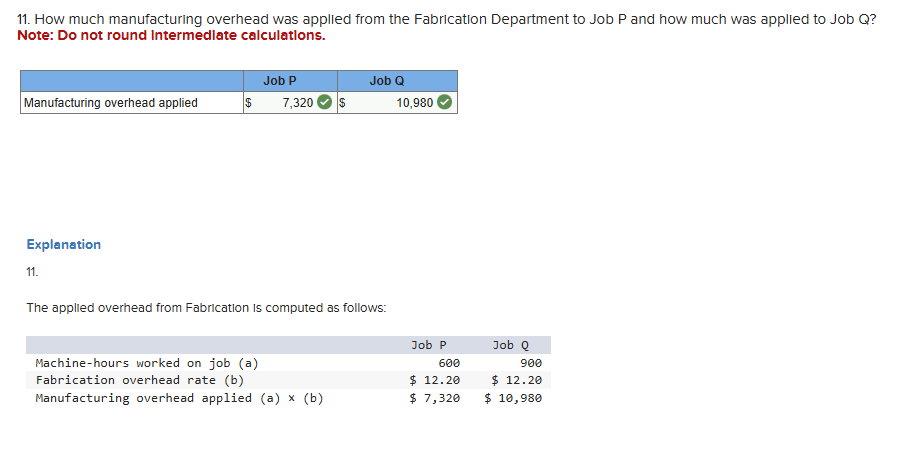
12. [The following information applies to the questions displayed below.]
Sweeten Company had no jobs in progress at the beginning of the year and no beginning inventories. It started, completed, and sold only two jobs during the year—Job P and Job Q. The company uses a plantwide predetermined overhead rate based on machine-hours. At the beginning of the year, it estimated that 4,000 machine-hours would be required for the period’s estimated level of production. Sweeten also estimated $25,000 of fixed manufacturing overhead cost for the coming period and variable manufacturing overhead of $1.70 per machine-hour.
Because Sweeten has two manufacturing departments—Molding and Fabrication—it is considering replacing its plantwide overhead rate with departmental rates that would also be based on machine-hours. The company gathered the following additional information to enable calculating departmental overhead rates:
| Molding | Fabrication | Total | |
|---|---|---|---|
| Estimated total machine-hours used | 2,500 | 1,500 | 4,000 |
| Estimated total fixed manufacturing overhead | $ 10,000 | $ 15,000 | $ 25,000 |
| Estimated variable manufacturing overhead per machine-hour | $ 1.40 | $ 2.20 |
The direct materials cost, direct labor cost, and machine-hours used for Jobs P and Q are as follows:
| Job P | Job Q | |
|---|---|---|
| Direct materials | $ 13,000 | $ 8,000 |
| Direct labor cost | $ 21,000 | $ 7,500 |
| Actual machine-hours used: | ||
| Molding | 1,700 | 800 |
| Fabrication | 600 | 900 |
| Total | 2,300 | 1,700 |
Sweeten Company had no overapplied or underapplied manufacturing overhead costs during the year.
Required:
For questions 1-8, assume that Sweeten Company uses a plantwide predetermined overhead rate with machine-hours as the allocation base. For questions, 9-15, assume that the company uses predetermined departmental overhead rates with machine-hours as the allocation base in both departments.
13. [The following information applies to the questions displayed below.]
Sweeten Company had no jobs in progress at the beginning of the year and no beginning inventories. It started, completed, and sold only two jobs during the year—Job P and Job Q. The company uses a plantwide predetermined overhead rate based on machine-hours. At the beginning of the year, it estimated that 4,000 machine-hours would be required for the period’s estimated level of production. Sweeten also estimated $25,000 of fixed manufacturing overhead cost for the coming period and variable manufacturing overhead of $1.70 per machine-hour.
Because Sweeten has two manufacturing departments—Molding and Fabrication—it is considering replacing its plantwide overhead rate with departmental rates that would also be based on machine-hours. The company gathered the following additional information to enable calculating departmental overhead rates:
| Molding | Fabrication | Total | |
|---|---|---|---|
| Estimated total machine-hours used | 2,500 | 1,500 | 4,000 |
| Estimated total fixed manufacturing overhead | $ 10,000 | $ 15,000 | $ 25,000 |
| Estimated variable manufacturing overhead per machine-hour | $ 1.40 | $ 2.20 |
The direct materials cost, direct labor cost, and machine-hours used for Jobs P and Q are as follows:
| Job P | Job Q | |
|---|---|---|
| Direct materials | $ 13,000 | $ 8,000 |
| Direct labor cost | $ 21,000 | $ 7,500 |
| Actual machine-hours used: | ||
| Molding | 1,700 | 800 |
| Fabrication | 600 | 900 |
| Total | 2,300 | 1,700 |
Sweeten Company had no overapplied or underapplied manufacturing overhead costs during the year.
Required:
For questions 1-8, assume that Sweeten Company uses a plantwide predetermined overhead rate with machine-hours as the allocation base. For questions, 9-15, assume that the company uses predetermined departmental overhead rates with machine-hours as the allocation base in both departments.[The following information applies to the questions displayed below.]
Sweeten Company had no jobs in progress at the beginning of the year and no beginning inventories. It started, completed, and sold only two jobs during the year—Job P and Job Q. The company uses a plantwide predetermined overhead rate based on machine-hours. At the beginning of the year, it estimated that 4,000 machine-hours would be required for the period’s estimated level of production. Sweeten also estimated $25,000 of fixed manufacturing overhead cost for the coming period and variable manufacturing overhead of $1.70 per machine-hour.
Because Sweeten has two manufacturing departments—Molding and Fabrication—it is considering replacing its plantwide overhead rate with departmental rates that would also be based on machine-hours. The company gathered the following additional information to enable calculating departmental overhead rates:
| Molding | Fabrication | Total | |
|---|---|---|---|
| Estimated total machine-hours used | 2,500 | 1,500 | 4,000 |
| Estimated total fixed manufacturing overhead | $ 10,000 | $ 15,000 | $ 25,000 |
| Estimated variable manufacturing overhead per machine-hour | $ 1.40 | $ 2.20 |
The direct materials cost, direct labor cost, and machine-hours used for Jobs P and Q are as follows:
| Job P | Job Q | |
|---|---|---|
| Direct materials | $ 13,000 | $ 8,000 |
| Direct labor cost | $ 21,000 | $ 7,500 |
| Actual machine-hours used: | ||
| Molding | 1,700 | 800 |
| Fabrication | 600 | 900 |
| Total | 2,300 | 1,700 |
Sweeten Company had no overapplied or underapplied manufacturing overhead costs during the year.
Required:
For questions 1-8, assume that Sweeten Company uses a plantwide predetermined overhead rate with machine-hours as the allocation base. For questions, 9-15, assume that the company uses predetermined departmental overhead rates with machine-hours as the allocation base in both departments.
14. [The following information applies to the questions displayed below.]
Sweeten Company had no jobs in progress at the beginning of the year and no beginning inventories. It started, completed, and sold only two jobs during the year—Job P and Job Q. The company uses a plantwide predetermined overhead rate based on machine-hours. At the beginning of the year, it estimated that 4,000 machine-hours would be required for the period’s estimated level of production. Sweeten also estimated $25,000 of fixed manufacturing overhead cost for the coming period and variable manufacturing overhead of $1.70 per machine-hour.
Because Sweeten has two manufacturing departments—Molding and Fabrication—it is considering replacing its plantwide overhead rate with departmental rates that would also be based on machine-hours. The company gathered the following additional information to enable calculating departmental overhead rates:
| Molding | Fabrication | Total | |
|---|---|---|---|
| Estimated total machine-hours used | 2,500 | 1,500 | 4,000 |
| Estimated total fixed manufacturing overhead | $ 10,000 | $ 15,000 | $ 25,000 |
| Estimated variable manufacturing overhead per machine-hour | $ 1.40 | $ 2.20 |
The direct materials cost, direct labor cost, and machine-hours used for Jobs P and Q are as follows:
| Job P | Job Q | |
|---|---|---|
| Direct materials | $ 13,000 | $ 8,000 |
| Direct labor cost | $ 21,000 | $ 7,500 |
| Actual machine-hours used: | ||
| Molding | 1,700 | 800 |
| Fabrication | 600 | 900 |
| Total | 2,300 | 1,700 |
Sweeten Company had no overapplied or underapplied manufacturing overhead costs during the year.
Required:
For questions 1-8, assume that Sweeten Company uses a plantwide predetermined overhead rate with machine-hours as the allocation base. For questions, 9-15, assume that the company uses predetermined departmental overhead rates with machine-hours as the allocation base in both departments.
15. [The following information applies to the questions displayed below.]
Sweeten Company had no jobs in progress at the beginning of the year and no beginning inventories. It started, completed, and sold only two jobs during the year—Job P and Job Q. The company uses a plantwide predetermined overhead rate based on machine-hours. At the beginning of the year, it estimated that 4,000 machine-hours would be required for the period’s estimated level of production. Sweeten also estimated $25,000 of fixed manufacturing overhead cost for the coming period and variable manufacturing overhead of $1.70 per machine-hour.
Because Sweeten has two manufacturing departments—Molding and Fabrication—it is considering replacing its plantwide overhead rate with departmental rates that would also be based on machine-hours. The company gathered the following additional information to enable calculating departmental overhead rates:
| Molding | Fabrication | Total | |
|---|---|---|---|
| Estimated total machine-hours used | 2,500 | 1,500 | 4,000 |
| Estimated total fixed manufacturing overhead | $ 10,000 | $ 15,000 | $ 25,000 |
| Estimated variable manufacturing overhead per machine-hour | $ 1.40 | $ 2.20 |
The direct materials cost, direct labor cost, and machine-hours used for Jobs P and Q are as follows:
| Job P | Job Q | |
|---|---|---|
| Direct materials | $ 13,000 | $ 8,000 |
| Direct labor cost | $ 21,000 | $ 7,500 |
| Actual machine-hours used: | ||
| Molding | 1,700 | 800 |
| Fabrication | 600 | 900 |
| Total | 2,300 | 1,700 |
Sweeten Company had no overapplied or underapplied manufacturing overhead costs during the year.
Required:
For questions 1-8, assume that Sweeten Company uses a plantwide predetermined overhead rate with machine-hours as the allocation base. For questions, 9-15, assume that the company uses predetermined departmental overhead rates with machine-hours as the allocation base in both departments.